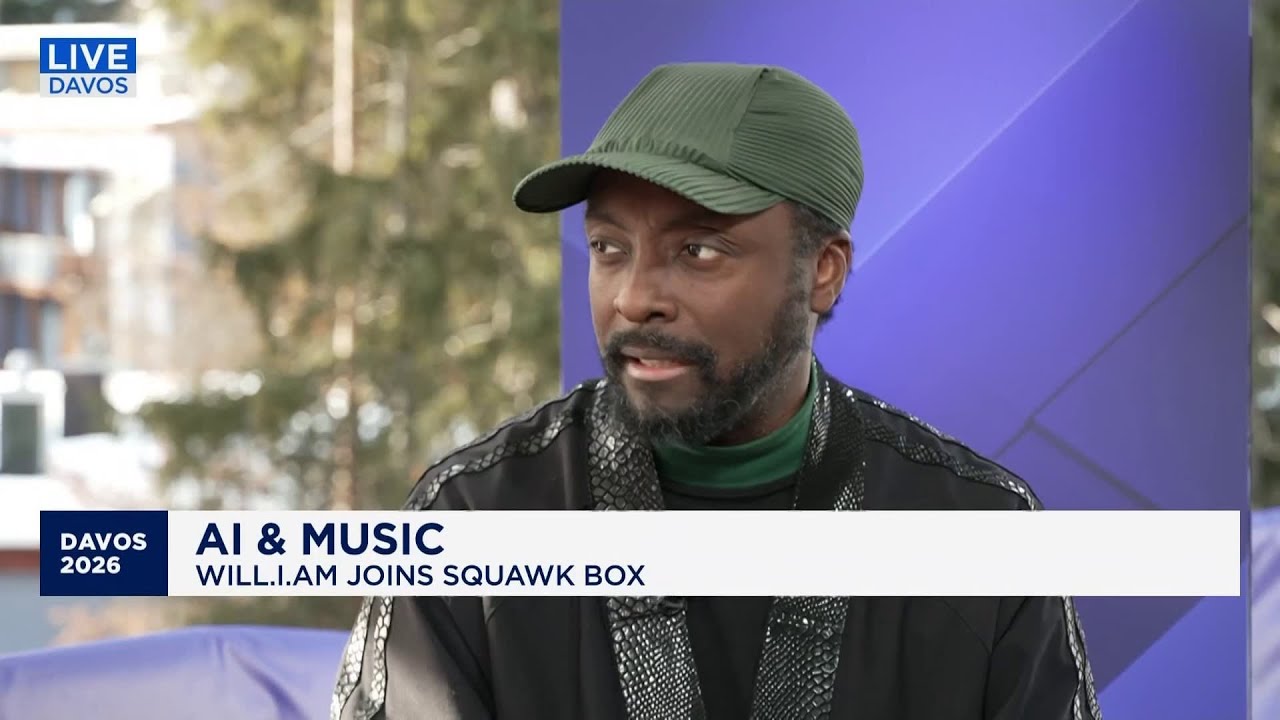
AI is changing how music is made, distributed, valued, and even who we call an artist. The reaction spans excitement, fear, and the familiar curiosity that follows every major technology shift. The conversation here comes from someone who has built a career on pushing edges — sampling, production, and technology — and now teaches the next generation how to build with these tools. The takeaways are practical: embrace the tools, insist on fair pay and ownership, and prepare for an era where agents do a lot of the heavy lifting.
Table of Contents
- Why AI in music is a mixed bag
- Is AI-made music "real" music?
- Why the superstar formula has changed
- The rise of live performance and human value
- Teaching students to build their own agents
- Ownership, regulation, and the wild west
- Practical advice for musicians and creators
- Embed
- Key quotes
- FAQ
Why AI in music is a mixed bag
There are two impulses at work. On one hand, early AI output can feel messy — what some call "AI slop." On the other, the underlying math keeps improving. Systems will move from asking users to craft prompts to models that require little or no prompting. That evolution will produce cleaner, more convincing music and tools that can do more on their own.
This is the worst it's ever going to be right now.
That judgement captures the present: imperfect tools, noisy results, and a flood of experiments. It also recognizes a basic truth about technology — performance improves over time. The music industry should expect better AI creators, deeper capabilities, and the need to rethink authorship and compensation.
Is AI-made music "real" music?
There's no single right answer. Consider the history of sampling. Early critics asked whether rearranging other people's recordings counted as music. Hip-hop and electronic music used the same techniques to create entirely new forms. From that perspective, AI can be another creative method — but only if the work and its origins are treated ethically.
Two points matter:
- Creative lineage: Many AIs are trained on decades of human-made music. Those creators deserve payment and recognition when their work contributes to new outputs.
- The developer's role: The people who design and tune the algorithms have performed creative labor too. Their design choices shape the outputs and deserve credit.
Why the superstar formula has changed
Mass culture once shared common channels: radio, MTV, Top 40. That made it possible for a single song to become a "summer hit" enjoyed by millions for months. Today attention is fragmented across platforms — streaming playlists, TikTok moments, niche communities — and trends burn bright and quick. Creating a long-lasting, universal hit is harder in a splintered attention economy.
That doesn't mean careers can't start now. Artists can build audiences, but the path and the economics are different. The music business has shifted from record sales to streams and social relevance, which devalues recordings compared with the past.
The rise of live performance and human value
As recorded music revenues compress, live performance becomes a higher-value arena. But even "live" is changing: lip-sync controversies and backing tracks complicate what counts as a genuine live moment. The longer-term response may be a renewed premium on improvisation and theater — experiences that are unmistakably human and hard to replicate perfectly with AI.
Teaching students to build their own agents
One practical and future-facing solution is personal agents. Rather than relying only on shared, centralized AIs, tomorrow's creators should be able to own and operate their own agents. That means hardware, training, and literacy.
Key components of that approach:
- Personal GPU access: Building and running a personal agent requires local compute. Universities and partners are helping students get that access.
- Agent certificates: If agents become gatekeepers for employment or services, certifying an agent's provenance becomes important — like having a verified bank account or email.
- Ownership of likeness: Controlling name, image, and vocal likeness through owned agents prevents unauthorized doppelgangers from proliferating.
Students learning to mint, train, and certify their own agents gain a major advantage in an economy where agents will increasingly interact with employers, services, and audiences on behalf of people.
Ownership, regulation, and the wild west
Right now, the internet feels like the wild west: data is scraped, likenesses are sampled, and enforcement lags innovation. Solving this requires two parallel efforts:
- Technological solutions that let individuals bank and control their data and agent assets.
- Thoughtful regulations and practices that protect creators without stifling innovation.
The goal is a stable system where artists are compensated for training data, developers are credited for their work, and individuals can own and license their likeness and creative identities.
Practical advice for musicians and creators
- Learn the tools: Familiarity with AI workflows and agents will be a core skill for future creators.
- Protect your IP: Demand transparency when models are trained on your work and push for fair compensation.
- Invest in live craft: Develop improvisational and performative skills that distinguish human output from synthetic alternatives.
- Own your agent: When possible, host or certify your own AI presence so likeness and outputs remain under your control.
Embed
<video></video>Key quotes
The AI that we're concerned about is not here yet.
We're going to get to a point where live is the place to be.
FAQ
Is AI-generated music really music?
Yes, it can be, but context matters. AI is a new production method like sampling before it. What makes something "music" is how it’s composed, arranged, and received — and most importantly, whether the creators who contributed to the training data are respected and compensated.
Can AI create the next superstar?
AI can help craft hits, but the landscape is fragmented. Viral moments still depend on platform dynamics, community momentum, and sustained storytelling. Superstardom now requires more than a single song—it requires an ecosystem of engagement across platforms.
Will live music become more valuable?
Likely yes. As recorded music becomes easier to reproduce or simulate, unique, improvisational, and theatrical live experiences will stand out as undeniably human and valuable.
How can artists protect their likeness and voice?
Owning your agent and controlling your data are central strategies. Push for clear licensing, certification, and legal frameworks that prevent unauthorized uses. Technical solutions that let individuals "bank" their identity and agent are also emerging.
What should music students learn today?
Alongside composition and performance, students should learn to build, train, and certify personal agents, understand model training ethics, and gain hands-on experience with compute resources like GPUs. That combination prepares them for an AI-infused industry.
How Business Owners Are Using ChatGPT – Survey Form |
|
Google Form |
| Click me |


